Interstate Motorcycle Transport Explained: A Complete Guide for Australian Riders
Buying a motorcycle from another state, relocating for work, or moving a collector bike across Australia can feel complicated the first time you do it. Unlike furniture or boxed freight, a motorcycle needs careful handling, proper tie-down points, secure loading, and protection from avoidable movement during transit.
For Australian riders, interstate motorcycle transport is often the safest and most convenient way to move a bike without putting extra kilometres on the odometer or risking damage through DIY towing. Whether you ride a learner-friendly commuter, a touring bike, a vintage classic, or a high-value sports bike, the right transport option can save time, reduce stress, and help your motorcycle arrive ready for the road.
This guide explains how motorbike interstate shipping Australia-wide generally works, what it costs, how bikes are secured, what insurance may cover, and how to choose a reliable transport company.
How Interstate Motorcycle Transport Works in Australia
Interstate motorcycle transport usually starts with a quote. The transport company will ask for the pickup suburb, delivery suburb, motorcycle make and model, whether the bike runs, whether it rolls freely, and whether you need door-to-door or depot-to-depot service.
Once the booking is confirmed, the provider schedules pickup and gives preparation instructions. These may include removing loose accessories, disabling alarms, checking for leaks, reducing fuel level if requested, and making sure the bike can be safely rolled or loaded.
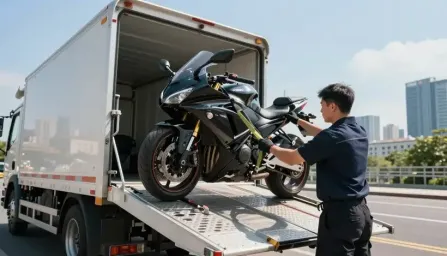
The bike is then collected, inspected, secured, and transported either in an enclosed vehicle, open carrier, dedicated motorcycle trailer, or shared vehicle transport setup. Motorcycle-only transporters often use specialist equipment such as wheel chocks, bike cradles, soft straps, and hydraulic lifts.
Delivery times vary depending on distance, route availability, carrier type, and whether the service is direct or shared. Capital city routes are usually more frequent, while regional pickups or deliveries may take longer.
For riders asking how to transport a motorcycle interstate, the answer is usually: compare specialist carriers, choose the service level that suits the value of the bike, prepare it properly, and confirm insurance before pickup.
Door-to-Door vs. Depot-to-Depot: Which Is Right for You?
The two most common service types are door-to-door and depot-to-depot.
Door-to-door motorcycle transport is the most convenient option. The carrier collects the bike from the seller, dealership, home, workshop, or storage address and delivers it directly to the nominated destination. This is useful if you are buying a bike interstate, relocating, or moving a high-value motorcycle that you do not want handled by multiple parties.
The main benefit is convenience. The downside is that it may cost more, especially if pickup or delivery is in a regional area, a difficult-access street, an apartment complex, or a location unsuitable for large transport vehicles.
Depot-to-depot transport usually means dropping the bike at a transport depot and collecting it from another depot at the destination. This can be cheaper, especially between major cities, but it requires more effort from the owner. You need to get the bike to the depot, arrange collection, and work within depot operating hours.
For standard road bikes, either option can work. For collector, vintage, prestige, or modified motorcycles, door-to-door service is often worth considering because it reduces handling and limits the number of people involved.
How Much Does Interstate Motorcycle Transport Cost in 2026?
Motorcycle transport cost Australia-wide varies based on distance, route, service type, bike size, whether the motorcycle runs, and whether enclosed transport is required. Current Australian pricing guides suggest local or short-distance transport can start from a few hundred dollars, while common interstate routes often sit around the mid-hundreds to $1,000+, depending on distance and service level. For example, one 2026 NSW motorcycle delivery guide lists Sydney to Melbourne at about $450–$700 and Sydney to Brisbane at about $500–$800 for standard motorcycles, with enclosed transport often adding 20–30%.
Older but still useful national guidance places longer-distance motorcycle transport over 1,000 km at around $350–$700, though current fuel, labour, insurance, and access costs may push some quotes higher. Tasmanian routes are often more expensive because sea freight and limited route availability can add cost; one published motorcycle transport price list shows mainland destinations from Tasmania ranging from about $600 to more than $1,800, depending on destination.
As a practical 2026 guide, riders should expect broad ranges such as:
These are estimates only. A large touring bike, trike, non-running motorcycle, custom chopper, collector bike, or urgent delivery may cost more. The safest approach is to get two to three written quotes and compare what is included.
How Your Bike Is Prepared and Secured for Transit
The safest way to ship a motorcycle is to use a carrier with equipment designed specifically for bikes. Motorcycle transport is a specialist job because a bike can be damaged if it is tied down incorrectly, loaded at the wrong angle, or allowed to move during transit.
Professional carriers may use wheel chocks, cradles, soft tie-downs, enclosed trailers, hydraulic tail lifts, or dedicated motorcycle racks. Larger national carriers may use purpose-built systems; CEVA, for example, describes its motorcycle transport as a specialised service using dedicated equipment and an in-house motorcycle cradle system.
Before pickup, take clear photos of the bike from all sides. Remove loose accessories such as phone mounts, tank bags, luggage, loose mirrors, covers, disc locks, and unsecured parts. Check for fluid leaks, make sure tyres are inflated, and confirm whether the transporter needs the key.
For vintage or collector motorcycles, document the condition carefully. Note existing scratches, paint marks, chrome condition, badges, accessories, and any fragile parts. If the bike is not running, tell the carrier before booking. Non-running bikes may require extra labour, equipment, or loading time.
Insurance: What’s Covered and What Isn’t
Insurance is one of the most important questions to ask before booking interstate motorcycle transport. Do not assume every carrier includes the same level of cover.
Some providers include basic transit insurance, while others may require you to purchase additional cover. Some policies may cover damage caused during loading, transit, or unloading, but exclude pre-existing damage, loose accessories, mechanical issues, or items packed with the bike. Upmove’s motorcycle shipping guide notes that carrier insurance may not fully cover expensive motorcycles and suggests owners consider their own additional insurance for valuable bikes.
Ask the transport company these questions before booking:
-
What insurance is included in the quoted price?
-
What is the maximum covered value?
-
Is loading and unloading covered?
-
Are accessories, panniers, luggage, or spare parts covered?
-
What damage is excluded?
-
What evidence is required if a claim is needed?
-
Do I need to provide condition photos before pickup?
For collectors of rare, custom, or high-value motorcycles, speak with your own insurer as well. Your motorcycle insurance policy may have conditions around transport, storage, and third-party handling.
Choosing the Right Motorcycle Transport Company
Choosing the cheapest transport company is not always the best move. A motorcycle is not general freight, and it should not be handled like a pallet, appliance, or box of parts.
For example, interstate motorcycle transport specialists based in Melbourne offer fixed-price quotes and enclosed transport options ideal for high-value bikes.
When comparing companies, look for motorcycle-specific experience, clear communication, written quotes, insurance details, and proper securing methods. Bike-only carriers are usually preferable to general freight services for valuable motorcycles because they understand fairings, handlebars, suspension, exhausts, levers, mirrors, low ground clearance, and delicate finishes.
It is also worth checking whether the company provides door-to-door service, depot options, regional coverage, enclosed transport, and support for non-running bikes. Some specialist companies, such as Bikes Only, advertise door-to-door motorcycle transport across capital cities and many regional areas, along with fully insured services.
For readers browsing spmotorbikes.com.au, this is also a good time to inspect related pages such as bike listings, used motorcycles, or motorcycle accessories before arranging transport. If you are buying from interstate, confirm the bike’s condition, service history, registration status, included accessories, and pickup readiness before booking a carrier.
A good transport company should be able to explain its process without vague answers. If they cannot tell you how the bike will be loaded, secured, insured, and delivered, keep looking.
Ship Smart, Ride Sooner
Interstate motorcycle transport is a practical solution for riders buying bikes from another state, relocating, moving vintage motorcycles, or protecting high-value machines during long-distance travel. It saves time, avoids unnecessary kilometres, and reduces the risks associated with DIY towing.
Before booking, get two to three quotes, compare door-to-door and depot-to-depot options, and ask specifically about bike-only carriers versus general freight services. Confirm insurance, take condition photos, remove loose accessories, and make sure the motorcycle is ready for pickup.
With the right transport provider, your bike can arrive safely, cleanly, and ready for the next ride.