Why Every Rider Should Have a Proper Spare-Key Plan
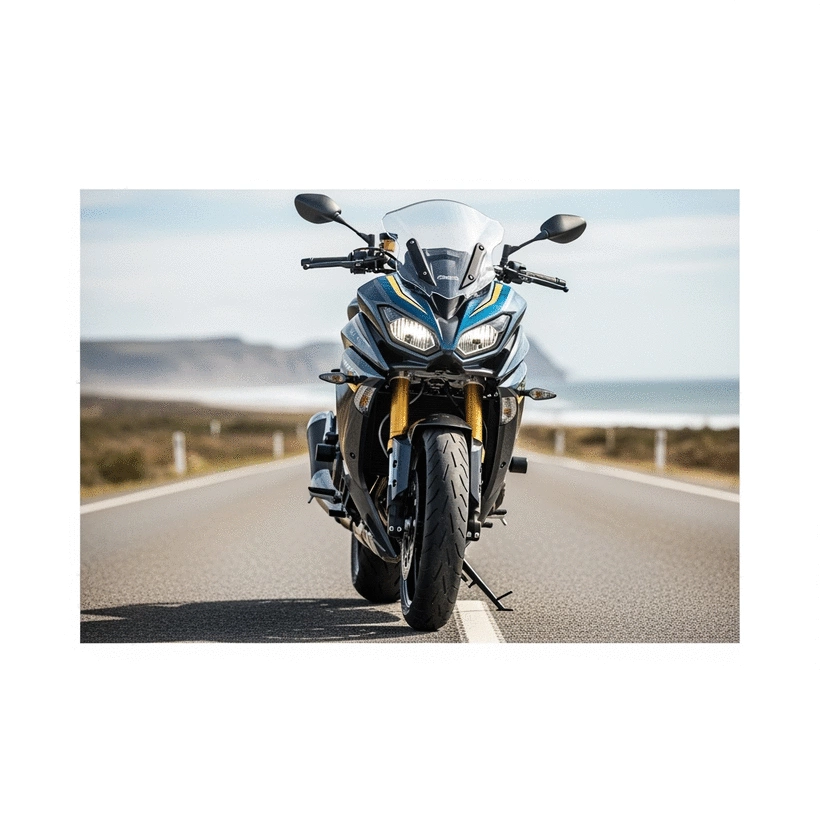
A spare-key plan is part of motorcycle ownership, not an afterthought. The best plan separates the spare from the daily key and makes it possible to prove ownership if a replacement is needed.
Test both keys before a trip. Confirm they turn the ignition smoothly, operate any fuel-cap or seat lock, and work with the immobiliser where fitted. A spare that has never been tested is only a possibility, not a recovery plan.
Before choosing a service or next step, confirm facts, protect the property or vehicle, and keep accurate details ready for a clear decision. For readers seeking a practical next step, motorcycle locksmith is a relevant resource to review once the immediate situation is understood.
Store keys in different places
Keep the main key on your person while riding. Leave a spare with a trusted contact or in another secure location that is not attached to the motorcycle. Do not hide a key in an obvious compartment, under a seat or in the same luggage as the main key.
Store the key code, registration and identification details securely. These records help establish the correct path when a key is damaged, lost or copied. They should not travel together with the bike in an unsecured trailer.
A motorcycle locksmith can help riders understand suitable replacement options without damaging the ignition. Give the provider the exact make, model, year and number of working keys rather than assuming all motorcycle keys are interchangeable.
Review the plan by riding style
Commuters may need a spare that works with daily parking arrangements. Touring riders need a recovery contact who can be reached outside business hours. Stored motorcycles should have their keys protected from damp and clearly labelled away from other vehicles’ keys.
The target site has related location pages for Newport, Altona and Sunshine North. A simple separation plan turns a lost key from a major disruption into a solvable task.
Secure the Motorcycle Before Solving the Key Problem
Any key, ignition or access problem starts with the motorcycle’s security. Park in a visible area, use the steering lock if it is available, and add a disc lock or chain when it can be fitted safely. Keep the motorcycle under observation if the key is lost near a workshop, venue or roadside stop. A hurried search should not leave the bike open to theft or damage.
Avoid forcing the ignition, fuel cap or seat lock. A random key, screwdriver or improvised tool can damage wafers, the keyway, wiring or the steering-lock mechanism. That damage may complicate a straightforward replacement. Instead, record the exact model, year, vehicle identification information, surviving key details and the symptoms seen before the problem occurred.
Identify the System Before Ordering Parts
Motorcycles do not all use the same key arrangement. Some have a simple mechanical key. Others use a transponder, immobiliser, coded ignition or linked lock set. A used barrel may fit physically while still failing to work with the motorcycle’s key profile or electronic security components. Compatibility should be checked before parts are purchased or fitted.
List every lock that matters. The ignition, steering lock, fuel cap, seat lock, panniers and top box may use one key or several. Test any surviving spare gently. A spare that opens a storage lock but does not start the motorcycle gives useful diagnostic information. Keep original components until the final repair has been tested across every intended function.
Build a Practical Spare-Key System
A spare key works only if it is separate from the main key and available when needed. Riders can leave one with a trusted contact, store one in a secure off-bike location or carry one in protected luggage that is not used for the primary key. Do not hide a spare under the seat, in an obvious pouch or inside an unlocked trailer.
Record key-code information with registration and service records, but keep that record private. Before an interstate ride or track day, test both keys and check that the spare’s location is known to the person who may need to help. This preparation supports recovery without making the motorcycle easier for someone else to access.
Protect Keys During Transport and Maintenance
Keys are often lost when motorcycles are loaded, cleaned, serviced or modified. Remove the key before fairing work, keep it away from solvents and store it in a labelled container rather than on a bench among small fasteners. During transport, keep keys with a person instead of inside the motorcycle or a tow vehicle that may be locked separately.
After wet riding or a wash, dry the key and remote promptly. Do not repeatedly operate a remote that has been soaked. If an ignition becomes stiff, do not treat force as a fix. A controlled inspection can protect an original barrel and avoid a more expensive repair later.
Check the Result Before Riding Away
When a replacement key, repair or used component has been supplied, test it in each required lock. Confirm ignition operation, steering movement, fuel-cap access and any immobiliser indication. Test the spare as well. Keep the old key and relevant paperwork until the new arrangement is proven.
Finish by updating the recovery plan. Save the right contacts, keep ownership documents accessible and explain the spare-key location to a trusted person. These details turn a lost or damaged key into a manageable interruption instead of a reason to leave a motorcycle stranded.
Record the Motorcycle Identification Details
Keep the make, model, production year and vehicle identification details with the registration record. Add the key type, number of working keys and any code supplied with the original documents. Store this information privately rather than on the motorcycle. Accurate identification helps distinguish similar-looking barrels and blanks, especially when a model changed ignition or immobiliser systems during the same sales period.
Check Every Lock in the Set
Test the ignition, steering lock, fuel cap, seat release, panniers and top box before deciding that a replacement is complete. A key may operate one cylinder but bind in another because of wear or a previous component change. Apply gentle, even pressure and stop if the blade twists. Recording which locks work gives a technician better evidence than describing the whole set as simply faulty.
Protect Electronic Key Components
Transponder chips and remote electronics need protection from water, impact and careless case opening. Use the specified battery type and keep contacts clean. If a fob becomes wet, avoid repeated button presses and remove the battery only when the design allows safe access. Do not tape a damaged case as a permanent repair because movement inside the shell can stress the circuit board or chip.
Plan Secure Transport if the Bike Will Not Start
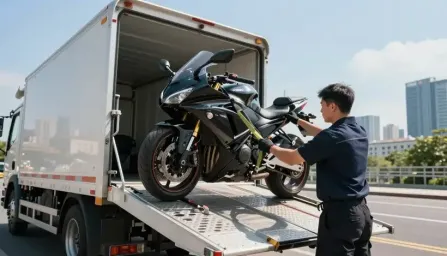
Choose a recovery method that supports the motorcycle correctly and keeps the steering controlled. Tell the operator when a steering lock is engaged or an ignition component has failed. Keep the key and ownership documents with the authorised person, not in an unlocked storage compartment. Photograph the motorcycle's condition before loading so existing marks and loose parts are documented before transport begins.
Separate Original and Replacement Components
Label any removed barrel, key, module or connector and store each item in a separate bag. Do not discard original hardware until the replacement has passed every functional test. On vintage or modified motorcycles, the removed part may provide the only reliable reference for a key profile, mounting point or wiring connection. A simple parts record protects both diagnosis and originality.
Build the Spare Key Into Trip Planning
Decide who holds the spare before a tour, track day or workshop visit. The spare should not travel on the same ring, in the same jacket or inside luggage secured by the missing key. Confirm that a trusted contact can reach the storage location. This arrangement makes the spare useful without weakening security or requiring an improvised hiding place on the motorcycle.
Test the Repair Under Controlled Conditions
Complete the first tests while the motorcycle is stationary in a secure area. Check ignition recognition, steering movement, warning indicators and each linked lock. Start the motorcycle more than once if electronic recognition is involved. Do not begin a long ride immediately after an intermittent fault appears to clear. A controlled test gives time to stop, inspect and record any symptom that returns.
Update the Key and Service Record
Write down what was repaired, which components were retained, and how many working keys now exist. Add the date and provider details to the motorcycle's service file. If a lost key may have been stolen, review the security implications rather than treating duplication as the only task. Current records make future ownership, servicing and roadside recovery more straightforward.
Complete the Final Key and Security Review
Finish with a controlled check of the motorcycle, every working key and the updated recovery plan. Confirm that the ignition, steering lock, fuel cap, seat release and luggage locks operate as intended. Test electronic recognition more than once if a transponder or immobiliser is involved. Verify that the main key and spare are stored separately and that key-code records remain private.
Keep removed barrels, failed keys and service notes until the result is fully proven. Check that no tool, loose fastener or protective cover remains near the steering or ignition area. If the motorcycle was transported, inspect its straps, controls and visible condition before riding. Finally, tell the trusted spare-key holder about any change in storage or access. This review protects the repair, the motorcycle and the next trip.